Best Home Care Agency in Raleigh-Durham NC: Why Families Choose Heard Home Care
This post was originally featured on heardhome.com among others.
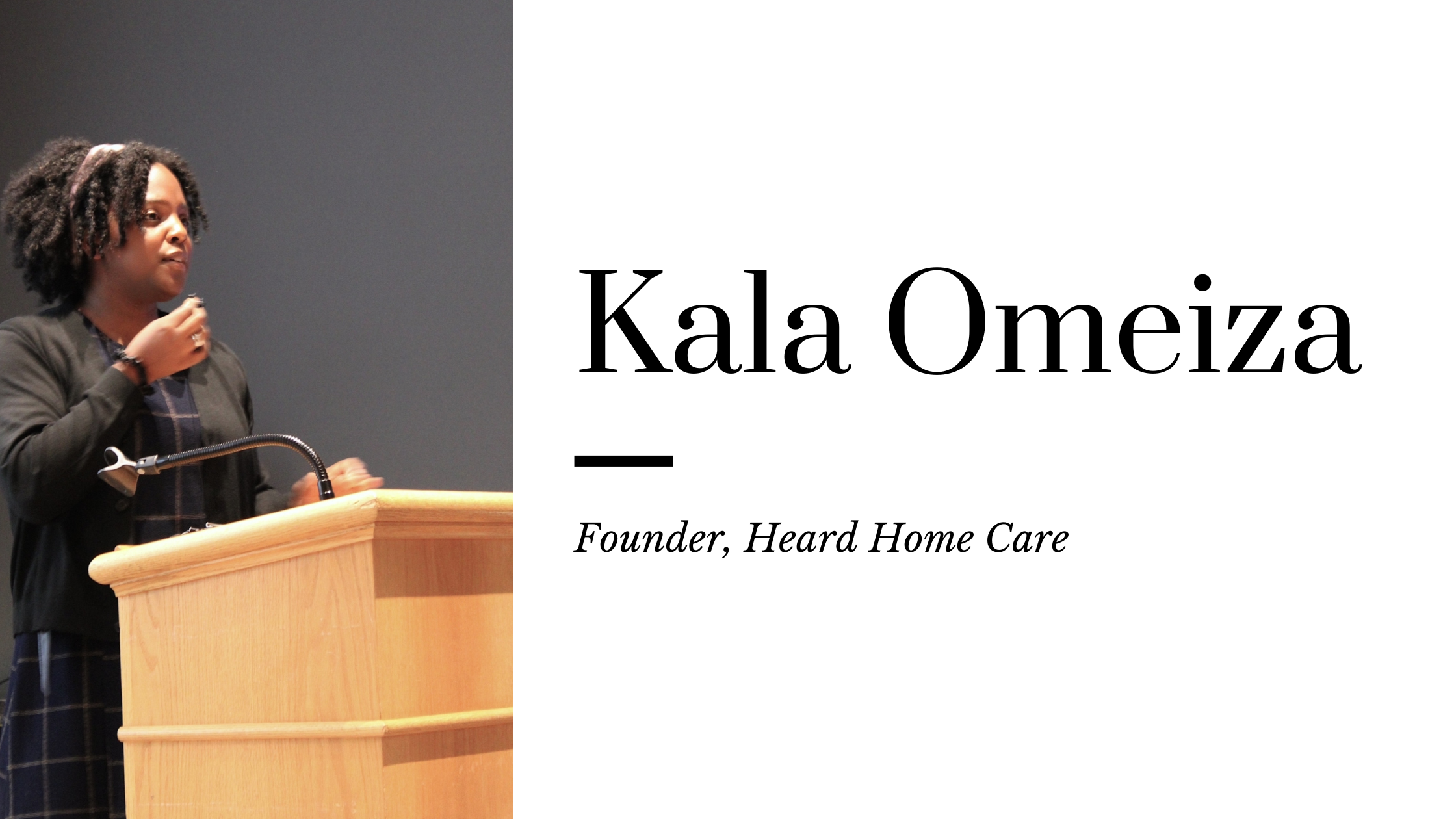
RALEIGH, NC — Families across the Triangle searching for high-quality, personalized home care now have a new standard to point to. Heard Home Care, founded by Raleigh-based advocate, author, and clinician Kala Allen Omeiza, is bringing a boutique approach to in-home care that puts relationships, dignity, and whole-person well-being at the center of every client experience.
In a market crowded with large agencies and inconsistent care, Heard Home Care stands apart, not just in its model, but in the story behind it.
Founded on Lived Experience, Not Just Professional Credentials
Kala Omeiza did not come to home care from a boardroom. She came from a hospital bed.
After giving birth, Omeiza experienced an amniotic fluid embolism — a condition that is mostly fatal for mothers. She survived, and then had to relearn how to walk and communicate. In doing so, she discovered firsthand how difficult it is to accept care — and how transformative the right care can be when it finally arrives.
"It wasn't easy to accept friendly care," Omeiza has shared publicly. "But it was worth it."
That experience, layered with years of watching her own relatives navigate the transition from independence to needing daily support, became the emotional backbone of Heard Home Care. Omeiza has seen both sides of the caregiving relationship — as a recipient and as a professional — and she built her agency to honor both.
She also lives with disabilities herself, giving her a perspective on vulnerability, dignity, and the need to feel seen that few agency founders can claim.
A Decade-Plus of Clinical Excellence Behind the Mission
Omeiza's personal story is matched by an exceptional professional background that spans some of the most respected institutions in the world.
She holds a Master's in Psychology from the University of Oxford and a Bachelor's in Psychology from Miami University. Prior to founding Heard Home Care, she spent over a decade working directly with older adults and individuals living with dementia, developmental disabilities, and mental health challenges, including clinical roles at Duke University Hospital, a Harvard Medical School Affiliate Hospital, and a World Health Organization Collaborating Center.
Her work with patients and families earned her recognition that opened the door to Oxford, where she deepened her advocacy and expanded her nonprofit. In 2018, Omeiza founded I'm Heard, Inc. — a national nonprofit dedicated to combating mental health stigma in underserved communities. What began as a grassroots initiative has since grown into a globally recognized organization. Through I'm Heard, Omeiza has authored three books on neurodiversity and mental health, spoken to audiences worldwide, and led initiatives that have reached communities across the United States and internationally. The organization's reach and impact directly informed the founding philosophy of Heard Home Care — that the people most often overlooked deserve not just services, but to be genuinely seen and heard. Most recently, Omeiza was named to the 100 Top Global Inclusion Leaders list in 2026 and recognized on the Davos Neurodiversity Summit Leadership Wall in 2025.
Heard Home Care is, as Omeiza describes it, the natural progression of that decade-long calling — now planted firmly in North Carolina, where her family has deep roots and where she calls home.
What Families in the Triangle Can Expect
At its core, Heard Home Care operates on a boutique model — meaning no two care plans look alike, because no two clients are alike. The agency takes time to understand each individual's routines, communication style, personality, and preferences before making any caregiver placement.
The agency's approach is built on five commitments that set it apart in the Raleigh-Durham market:
Intentional Matching. Caregivers are selected based on genuine compatibility with the client — not availability alone. The goal is a relationship, not just coverage.
Consistency Over Convenience. Heard Home Care prioritizes long-term caregiver relationships rather than rotating staff, recognizing that stability is especially critical for clients with dementia, autism, developmental disabilities, or any condition where trust and routine are foundational to well-being.
Clinical Depth. The agency's standards, training expectations, and care culture are informed by Omeiza's extensive background across hospital systems, international research settings, and nearly fifteen years of hands-on clinical work.
Honoring Legacy and Dignity. For generations, families across the South — many of whom journeyed from other parts of the country and the world to build lives here — have contributed to the fabric of these communities. Heard Home Care sees preserving the dignity and honoring the stories of those it serves as a core responsibility, not an add-on.
A Commitment to Being Heard. The agency's name is its promise. In communities and populations that are too often misunderstood or overlooked, the need to feel genuinely heard is not optional. Heard Home Care pledges to listen — to clients, to families, and to the caregivers it employs.
Community Recognition
Those who have worked alongside Omeiza describe her impact in terms that go well beyond professional competence.
She was also recognized on the Top 100 Global Inclusion Leaders on Autism Today and was featured on the Davos Neurodiversity Summit Leadership Wall in 2025, and was previously named a Forbes 30 Under 30 finalist for the innovative strategy she used to raise nearly all of the funding for Nigeria's first toll-free suicide hotline during her Fulbright tenure.
"The passion you have had for vulnerable people for over a decade is exceptional," one industry member noted. "We need more great home care agencies in the U.S. — and yours is exactly the kind we need."
Serving Families Across the Triangle and Beyond
Heard Home Care is currently serving families in Raleigh, Durham, Cary, Wake Forest, and surrounding communities across central and eastern North Carolina. The agency works with older adults, individuals with developmental disabilities, and those navigating conditions including dementia, mental illness, and other complex care needs.
Families interested in learning more or beginning the care planning process are encouraged to reach out directly.